

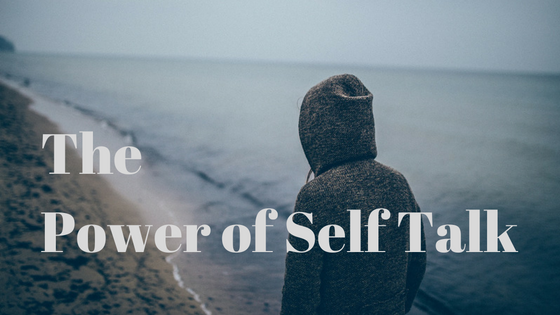
Are you your own best friend? If not… maybe it’s time to be!
Most people think talking to yourself is weird — like “uh-oh, are they okay?” — but for language learners, it’s basically a superpower in disguise.
In this post, we’re going to break down why self-talk is one of the most underrated (and fun!) tools for learning a new language — and how it can even help you level up your life way beyond the classroom.
But first: what is self-talk, exactly? Well, the name kind of gives it away, doesn’t it? It simply means using your inner or spoken voice (yes, out loud like a cartoon character or quietly in your head) to practice language, anytime, anywhere. No audience needed.
Is it actually helpful? Or am I just losing it if I’m chatting away to myself while doing the dishes?
Relax — you’re not losing it. You’re winning. Big time.
Why Self-Talk is important in Language Learning

As a self-talker and a language learner myself, here are some of the benefits of using self-talk when learning another language:
First of all, it creates a low-pressure environment — especially if you put yourself in different situations which may potentially occur. When you do this, there’s no fear of making mistakes — you just go with the flow. If at the end of your inner monologue, you have doubts about something you said, no worries — you can always check it later and keep it in mind for next time. As research suggests, “self-talk, particularly privatized, inner speech, is used as a tool to support self-regulation” (Fahi, J, 2014, p. 61), which makes it easier to adjust and learn without pressure.
Self-talk also helps you become more aware of what you know and what you need to revise. It’s a great way to track your progress without any pressure.
Another huge benefit? It helps you achieve one of the holy grails of language learning: thinking in your target language instead of translating from your native language. The more you practice talking to yourself — either silently or out loud — the closer you’ll get to making this your natural habit.
So having a language partner isn’t that important. Having one is great, but if you don’t, no worries, self-talk is a powerful tool you can use anytime, anywhere. It also helps reduce any anxiety you might feel when speaking with someone else because you’ve already practiced the words and phrases in your head.
Types of Self-Talk for Language Learners by Level
1) For Beginners (A1 – A2)
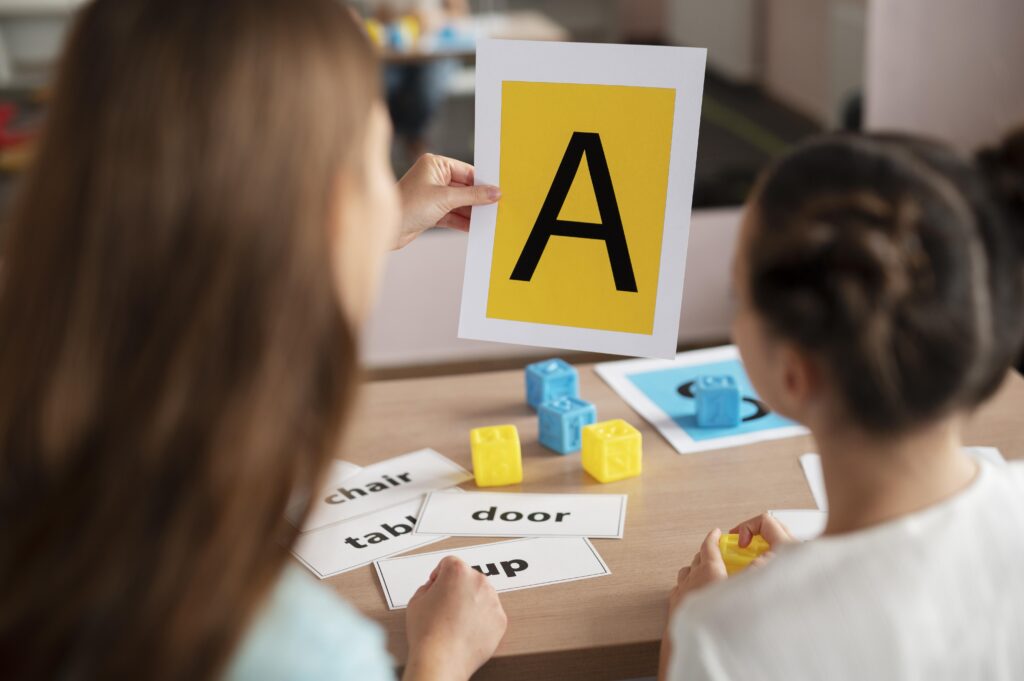
Keep it simple. Focus on vocabulary you already know and use short sentences. Don’t worry about mistakes — just get comfortable using the language.
-
- Daily Commentary
Describe what you’re doing step-by-step:
“I’m cooking. I’m cutting the tomato. Now I’m washing the plate. I like to drink water.”
- Daily Commentary
-
- Naming Objects Around You
Say the names of things you see:
“Table. Chair. Phone. Book. Window.”
- Naming Objects Around You
-
- To-Do Lists or Simple Plans
“Today: work, lunch, supermarket, sleep.”
Or “I need coffee. Then I go to work.”
- To-Do Lists or Simple Plans
2) For Intermediate Learners (B1 – B2)
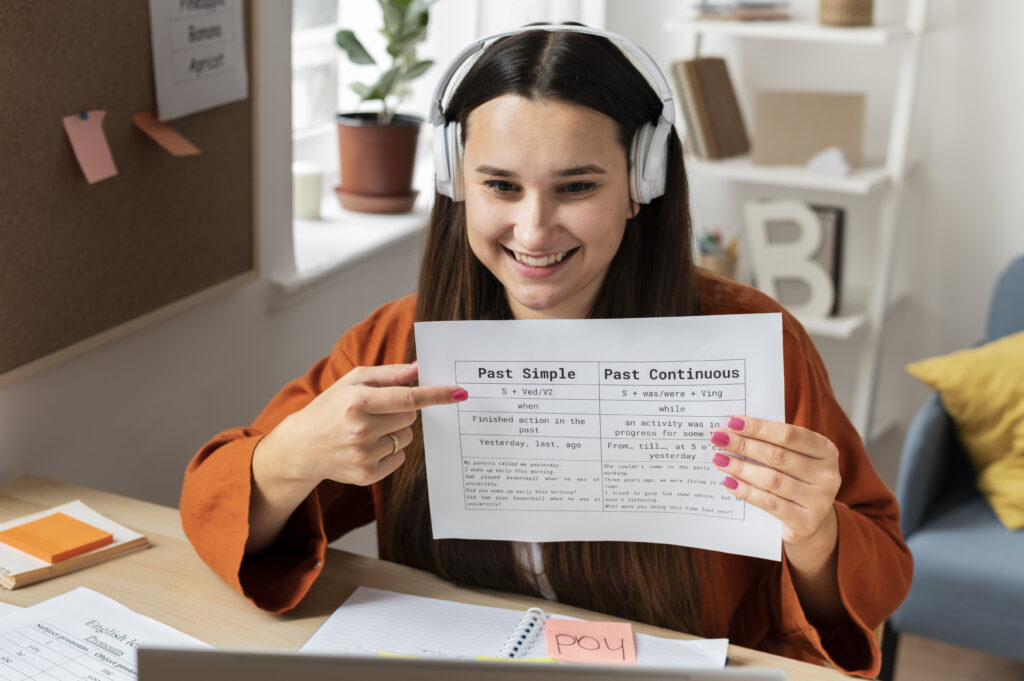
Challenge yourself with longer sentences, opinions, and small dialogues.
-
- Daily Commentary with Details
“I’m making coffee because I need energy. I love the smell of coffee — it makes me feel relaxed.”
- Daily Commentary with Details
-
- Future Planning
“Tomorrow I’m going to visit my friend. We might go to the cinema if we have time.”
- Future Planning
-
- Conversations with an Imaginary Friend or Yourself
“How was your day? Pretty good! I finished all my tasks. And you?”
- Conversations with an Imaginary Friend or Yourself
-
- Describing Past Experiences
“Last weekend, I went to the beach. It was sunny and relaxing. I swam a little and read a book.”
- Describing Past Experiences
3) For Advanced Learners (C1 – C2)
Focus on expressing complex ideas, emotions, opinions, and abstract thinking.
-
- Philosophical Monologues
Express abstract or ethical questions aloud:
“What does it really mean to live a meaningful life? Is it about impact, happiness, or something more intrinsic? Maybe the answer changes as we age…”
-
- Role-play Complex Scenarios
Assume a professional role and try to solve a crisis:
“As the CEO in this crisis, I’d start by addressing the shareholders: ‘We acknowledge your concerns. Transparency and long-term vision are key to regaining trust.’”
-
- TED Talk-Style Monologue
Speak as if giving a TED Talk or persuasive presentation:
“We live in a hyperconnected world — and yet, loneliness is rising. This paradox demands that we rethink not just how we connect, but why we connect.”
-
- Narrative Thinking Practice
Let your mind wander and narrate your thoughts with as many details as possible:
“I was supposed to write this article today, but the rain, the sound of it — it makes me nostalgic. It reminds me of Santiago. Funny how weather triggers memory…”
Practical Tips to Get Started

-
- Start with simple words and phrases.
-
- Don’t worry about mistakes — fluency first, accuracy comes later.
-
- Record yourself —Cringe, I know, but it helps to track progress.
-
- Use prompts or questions if you don’t know what to say.
Bonus: Fun Self-Talk Challenges
-
- Narrate your day for 5 minutes.
-
- Have a debate with yourself about a topic.
-
- Re-tell a story or movie plot out loud.
How Self-Talk Transcends Language Learning

But wait, the power of self-talk goes beyond just language learning! If you’re feeling down or having a tough time at work, simply talking to yourself in a kind way can shift your mindset. It’s not magic, but it can help! So, whether you’re learning a new language or facing life’s challenges, self-talk is a tool that’s always at your disposal — and the best part is, it’s totally free!
Give it a try!!
In a world where everything is getting more expensive by the second, self-talk is a 100% free tool — easy to use and very powerful. It actually trains your brain to think in your target language naturally. And as usual, the more you practice, the more confident and fluent you become.
Warning: Side effects of self-talk include better English, random bursts of confidence, and reduced anxiety.
Useful links:
Self talk reduces anxiety:
- https://tpls.academypublication.com/index.php/tpls/article/view/9300/7579
- https://www.researchgate.net/publication/387847524_The_Power_of_Self-Talk_for_Speaking_Anxiety_Reduction_Among_EFL_Learners
Self talk helps regulate ourselves and deal with difficult tasks:
References
- Fahy, Jill. (2014). Language and Executive Functions: Self-Talk for Self-Regulation. Perspectives on Language Learning and Education. 21. 61. 10.1044/lle21.2.61.

This article was written by BIE’s online teacher and blog contributor Yessenia Pardo Jaramillo.