


Here’s my list of 10 short stories, arranged in increasing difficulty, to help you improve your English comprehension, from beginner to advanced levels. In my list, I give two examples from each of the five progressive stages which go from simple short language to more complex themes. My list gradually builds up in complexity, covering various accents, different dialects and a range of idiomatic expressions, all helping you improve your English language skills while, of course, allowing you to enjoy a wide range of stories! I trust this progression will help you improve your vocabulary, your comprehension and your appreciation for the English language.
Beginner Level (CEFR Levels: A0 to A1)
1. “The Tale of Peter Rabbit” by Beatrix Potter
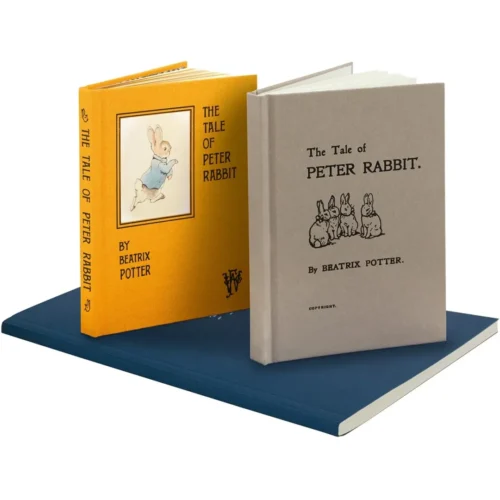
This is about Peter Rabbit who sneaks into Mr. McGregor’s garden, eats vegetables, gets chased, escapes and learns to listen to his mother’s warnings. It’s a perfect book for English learners at the beginner level because it offers a combination both of engaging content and of extremely simple language. Indeed, this charming story of a mischievous rabbit, both entertaining and relatable, abounds with short sentences and basic vocabulary as well as key words and phrases often repeated which helps reinforce the vocabulary and make it a simpler straightforward read.
2. “The Very Hungry Caterpillar” by Eric Carle
This is a simple, illustrated story about a caterpillar’s journey to becoming a butterfly. Great for vocabulary related to food, days of the week, and basic sentences. It’s undoubtedly a popular choice for beginners as the text is made very accessible by the use of basic vocabulary and simple sentence structures. For example there are words such as “apple,” “one,” “green,” and “big”: all of which are easy to understand and to repeat. The story also repeats key phrases such as “but he was still hungry” which helps in the act of reinforcing new words and phrases. The illustrations will also help beginners understand the story even before necessarily fully understanding the text.
Upper Beginner Level (CEFR Levels: A1+ to A2+)
3. “The Little Red Hen”
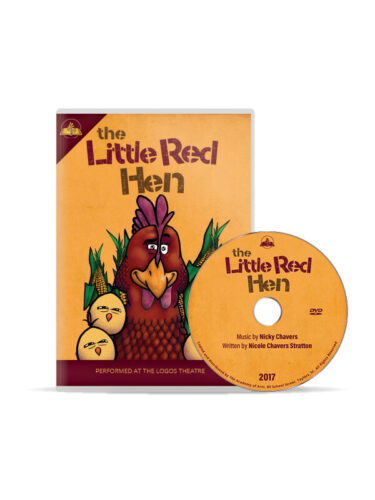
This traditional folk tale is about a little red hen who found wheat, asked for help and got none, so she planted, harvested and baked alone. Friends begged for bread: she refused. The lesson learned is that effort earns rewards. Being such a well-known folk tale makes it familiar across many English-speaking countries. It contains moral lessons about the benefits of hard work and cooperation. The story uses basic, repetitive language (and the vocabulary is easy) which should help learners practice common English words and sentence structures. The repetition of phrases like “Who will help me…?” and “Not I,” helps one to anticipate what’s coming next and to internalise the basic constructions of sentences.
4. “The Elephant and the Dog” (Aesop)
It’s a story about an elephant that befriends a stray dog. Sharing meals, they grow inseparable. One day, the dog vanishes. Heartbroken, the elephant refuses food until they reunite. This is one of the author’s Fables and is a straightforward tale, but carrying a valuable moral lesson nonetheless. When learning English at an upper-beginner level, the phrase “an elephant and a dog” or similar simple, concrete animal names are helpful as familiar and tangible concepts. By being easy to visualise and easy to recognise, they improve the chances of learners in connecting the words to meanings.
Intermediate Level (CEFR Levels: A2+ to B1+)
5. “The Last Leaf” by O. Henry
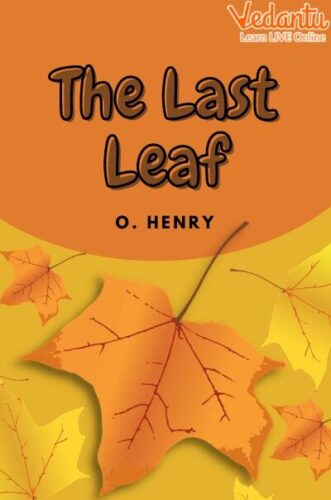
This is a touching story about two friends, Johnsy and Sue, living in New York City. When Johnsy falls ill, she believes she will die when the last leaf on a vine outside their window falls. However, a twist ending reveals a beautiful act of sacrifice and hope. The language is relatively elementary and this short story teaches idioms and moral lessons involving hope, friendship, and selflessness. The story is not too long, which makes it manageable for learners who may find longer texts overwhelming. It can be read in just one or two sittings, making it easier to digest and discuss.
6. “The Necklace” by Guy de Maupassant
Mathilde, a poor but vain woman, borrows a beautiful necklace to attend a fancy ball. After losing it, she and her husband work for years to replace it, only to discover that the original necklace was worthless. The story has a clear, simple, linear plot that’s easy to follow. This makes it accessible for learners while still offering proper narrative depth. It touches on universal themes such as social class, materialism, and the desire for a better life. De Maupassant’s language is generally not too complex, with many everyday words and phrases.
Upper Intermediate Level (CEFR Levels: B1+ to C1)
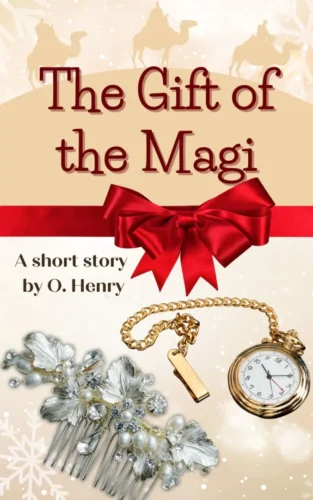
7. “The Gift of the Magi” by O. Henry
This classic story is about a young couple, Jim and Della, who are very poor but deeply in love. Each sacrifices their most prized possession to buy a special Christmas gift for the other. The story’s ending twist highlights their selflessness and love. The story revolves around themes like love, sacrifice, and selflessness, which are universally relatable. This makes it easier for learners to connect with the story even if they are not familiar with American culture. Because of its language style, it offers students a chance to expand their vocabulary with words such as “prudence,” “parsimony,” and “adornments,” which are not everyday terms but useful in a literary context.
8. “Lamb to the Slaughter” by Roald Dahl
The suspense and darkly humorous plot should keep readers interested. It’s the story of a devoted wife, Mary Maloney, who kills her husband with a frozen leg of lamb after he announces he’s leaving her. She cleverly covers her tracks, fooling the police into eating the murder weapon. The vocabulary and sentence structures in the story are not overly complex, so they should make it manageable for learners at this upper intermediate level. It also introduces a range of new vocabulary, idiomatic expressions (“like a lamb to the slaughter”) and figurative language, which are useful for developing a richer understanding of English.
Advanced Level (CEFR Levels: C1 to C2)
9. “The Lottery” by Shirley Jackson
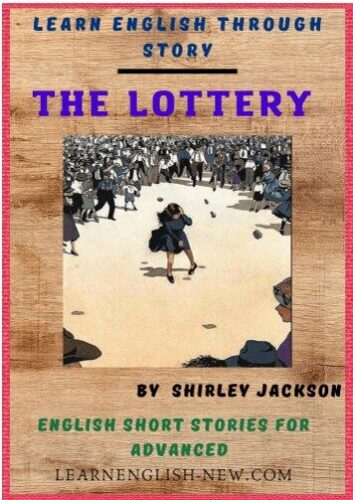
In a small town, an annual lottery has a chilling and unexpected outcome, reflecting on blind traditions and conformity. It reveals a shocking tradition: one randomly chosen resident is sacrificed to ensure the community’s prosperity. This story is a gripping exploration of human nature and societal norms. The simple yet suspenseful writing style introduces you to a range of vocabulary and emotional depth.
10. “A Clean, Well-Lighted Place” by Ernest Hemingway
This is the story of two men, a young waiter and an older waiter, who discuss an elderly man’s loneliness and existential despair while he drinks in a clean, well-lit café, reflecting themes of meaning and emptiness. Hemingway’s minimalist style is excellent for understanding subtext and practicing reading between the lines.
I hope this list of ten short stories to read when learning English will prove useful to you as you slowly strengthen your command of the English language. This list is suitable for kids and adults alike and will provide entertaining and linguistically rich stories to English learners of all ages and levels, thus combining the pleasant and the useful.
Enjoy!

This article was written by BIE’s blog contributor Adam Jacot de Boinod.