


Once your English starts to feel comfortable, something interesting happens. You stop thinking of languages as impossible mountains and start wondering which one to climb next. For a lot of learners, the answer is German.
It makes sense. German is spoken across Germany, Austria and Switzerland, it opens doors to study and work in some of Europe’s strongest economies, and it has a reputation for being a challenge worth taking on. What many learners don’t realise is that the English they’ve worked so hard on is one of the best tools they have for learning German.
English and German are family
English and German both belong to the Germanic branch of languages. They split apart a long time ago, and English later borrowed huge amounts of vocabulary from French and Latin, but the core of the two languages is still remarkably similar. Many of the most basic, everyday words are close relatives.
Look at a few examples. Haus and house. Wasser and water. Buch and book. Hand, Finger and Name are spelled exactly the same in both languages. Trinken sounds a lot like drink, kommen like come, and gut like good. If you know English, you already recognise hundreds of German words before your first lesson.
Of course, there are traps too. Like the false friends between French and English, German has words that look familiar but mean something else. Bekommen means to get or receive, not to become. Ein Gift is poison, not a present. Ein Rock is a skirt. These mix-ups are part of the fun, and you’ll remember them faster precisely because they surprised you.
Learn German the way you learned English
Think about how your English really improved. For many learners, it wasn’t only grammar books. It was films, series, YouTube videos and songs. Hours of real English, heard in context, slowly made the language feel natural.
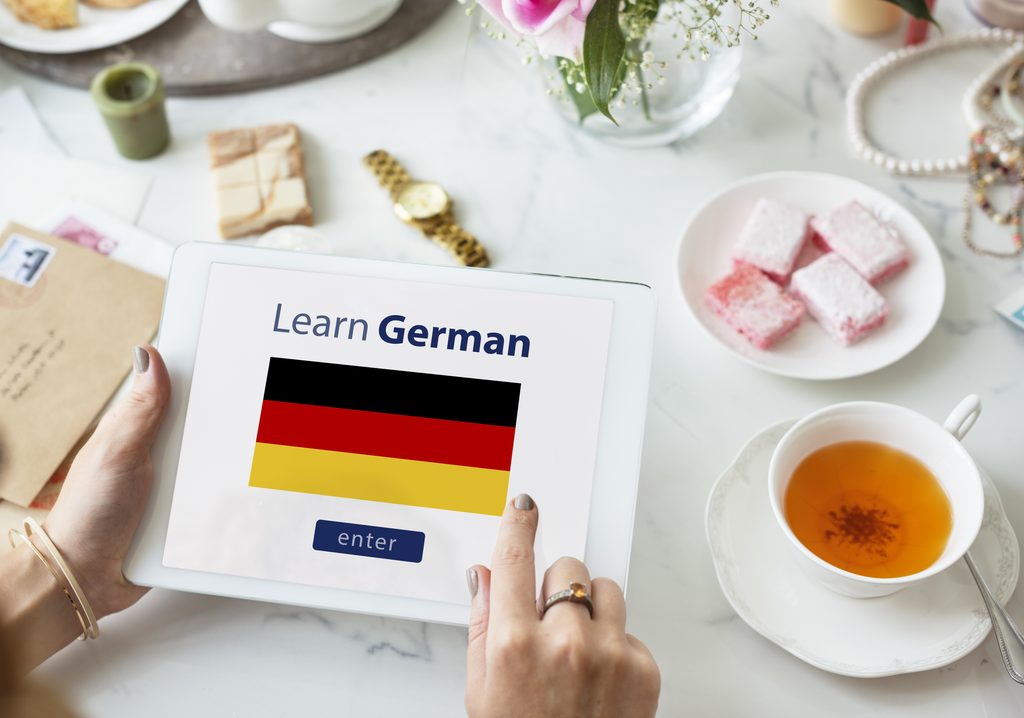
The same method works for German, and the tools are better than ever. With interactive German subtitles by Lingopie, you can watch German shows and films and click on any word in the subtitles to see its translation instantly. You can save new words, review them later as flashcards, and switch on dual subtitles in German and English when a scene moves too fast. It’s a simple way to turn screen time into real practice without stopping every few seconds to search a dictionary.
If you’ve used series to improve your English, you already know how this works. Our list of the top 10 TV series to learn English suggests starting with subtitles in your own language and moving to English subtitles as soon as you can. Apply the same logic to German. Begin with dual subtitles, then switch to German-only subtitles once you can follow the story. Your ears will thank you.
Why German is such a popular next step
You won’t be alone if you choose German. Across Europe, it’s one of the languages students pick most often after English. According to Eurostat data for 2022, 96.3% of students in general upper secondary education in the EU were learning English, and 21.4% were learning German, close behind Spanish and French. For many people, English comes first and German comes next.
There are practical reasons for this. Germany has a large job market and many international companies, and its universities attract students from around the world. Knowing English helps you get started there, but knowing German helps you actually settle in, make friends and understand what’s happening around you.
Where your English won’t help
It would be dishonest to say German is just English with different spelling. Some parts of German grammar will feel very new.
First, German nouns have three genders: masculine, feminine and neuter. The word for the changes depending on the gender, so you have der Tisch (the table), die Lampe (the lamp) and das Buch (the book). There’s not always a logical reason for the gender, so the best approach is to learn every noun together with its article.
Second, German uses cases. Articles and endings change depending on a word’s role in the sentence. This is the part that frustrates many learners, but it becomes much easier when you hear it in real speech again and again rather than only memorising tables.
Third, word order can surprise you. In many German sentences the verb moves to the very end. Ich weiß, dass du heute arbeitest means I know that you are working today, but the verb arbeitest waits until the last moment. Listening to native speakers is the fastest way to make this pattern feel normal.
Pronunciation is the last surprise. German has sounds English doesn’t, like the ü in müde (tired), the ö in schön (beautiful) and the soft ch in ich. The good news is that German spelling is far more regular than English spelling. Once you learn how letters are pronounced, you can read almost any word out loud correctly, which is something English learners rarely get to enjoy. You’ll also notice that every German noun starts with a capital letter, which actually makes sentences easier to read once you’re used to it.
A simple weekly routine for English speakers
You don’t need hours every day. A steady routine works better than occasional long sessions, and it fits around work or school.
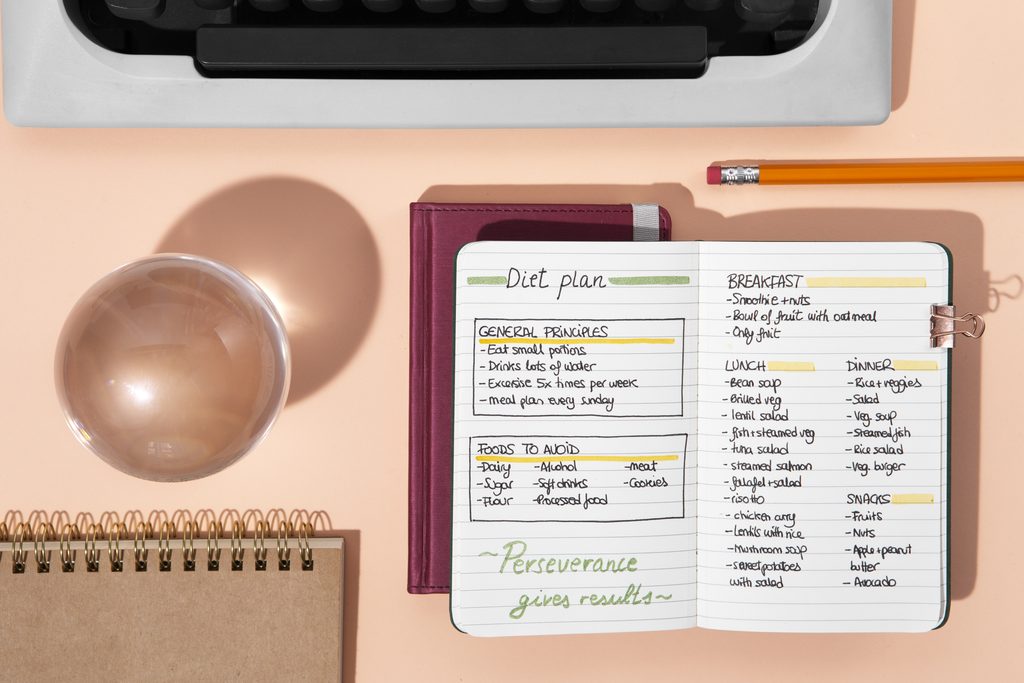
Spend a few minutes each day on vocabulary, focusing on words that are similar to English first. They give you quick wins and build confidence. Then add one episode of a German series two or three times a week. Watch with dual subtitles, click on unknown words, and save the ones you hear more than once.
Once a week, choose a short scene and practise shadowing. Play a line, pause, and repeat it out loud, copying the rhythm and intonation of the speaker. It feels a little strange at first, but it’s one of the best ways to improve pronunciation and listening at the same time.
Finally, try to use German actively. Write a few sentences about your day, talk to yourself while cooking, or find a conversation partner online. Even small amounts of speaking make a big difference, because they show you which words you really know and which ones you only recognise.
Your second language is the key to your third
Learning English taught you more than vocabulary and grammar. It taught you how to learn a language. You know what it feels like to understand only half a conversation, to make mistakes and keep going, and to notice the moment when things suddenly start to click.
All of that experience transfers to German. Add the shared vocabulary, a good routine and plenty of real German from films and series, and your third language may come faster than your second. So if you’ve been thinking about German, maybe this is the moment to start.