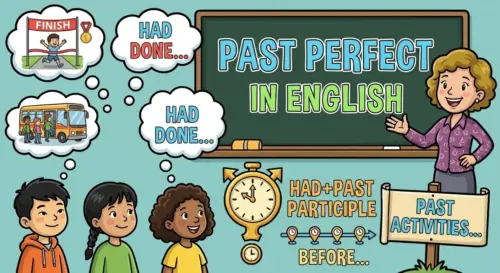
Conjugation
Past perfect in English
Summary Structure: Subject + had + past participle. Main usage: To indicate an action that occurred before another past action. Time markers: Already, just, never,

About Break Into English
Break Into English is an online language academy specialising in one-to-one English lessons with native teachers. Our method is based on active conversation and personalised content tailored to your goals.
We believe the fastest way to real fluency is speaking from day one with a native teacher who adapts to you, not the other way around.
Our individual online English courses
All our online English courses are taught by native English speakers who have been internally trained to apply the Break Into English method.
Personalised lessons are delivered online and you can choose the video conferencing platform that suits you best: Zoom, Google Meet, Teams, etc.


Summary Structure: Subject + had + past participle. Main usage: To indicate an action that occurred before another past action. Time markers: Already, just, never,
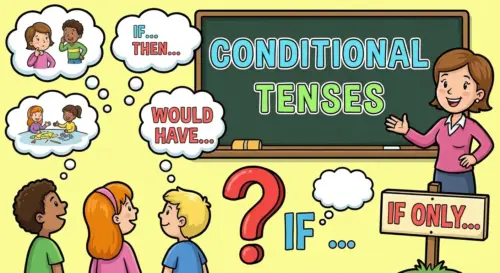
Quick Summary Second Conditional (Unreal Present): Used for hypothetical or unlikely situations in the present or future — If + past simple, would +
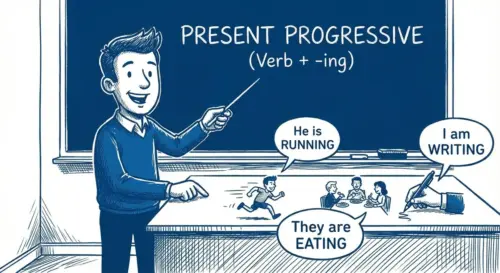
Summary Construction: Auxiliary “be” in the present + verb ending in “-ing”. Main usage: Actions in progress at the moment of speaking. Future: Confirmed plans
Master the essential English tenses with our interactive exercises. Each section contains 10 questions! Simple Present | Present Continuous | Simple Past | Past Continuous

Adverbs constitute one of the pillars of English grammar and mastering them proves essential for learning English effectively. These words modify the meaning of verbs,
N° Infinitive Past Tense Past Participle Definition 1 be was/were been to exist or have a particular quality 2 have had had to possess or

Grammar Reminder Formation: have/has + past participle Usage: Past actions with connection to present, life experiences (ever/never), recent actions (just/already/yet), duration (since/for) Examples: I have
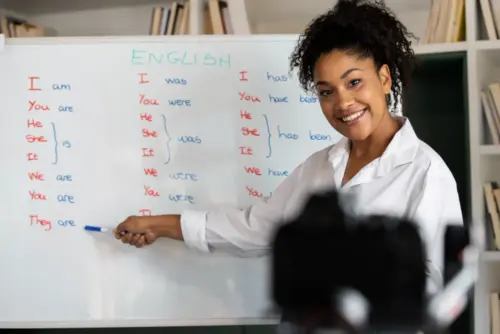
Complete table of english irregular verbs N° Infinitive Past Tense Past Participle Translation 1 Abide abode abode remain, respect 2 Arise arose arisen arise, get