
How to learn english
PAST MODAL VERBS
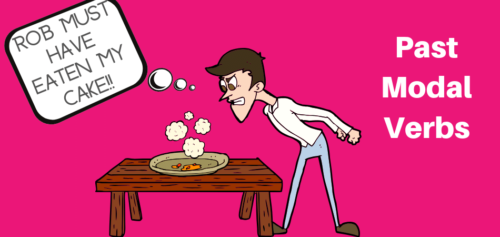
Learn about past modal verbs with clear pictures: Use must, could, might and may with have + past participle to talk about speculations regarding the past
Learn about past modal verbs with clear pictures: Use must, could, might and may with have + past participle to talk about speculations regarding the past
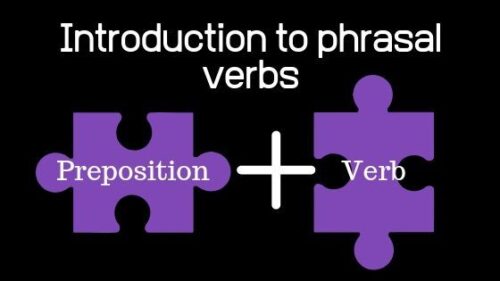
In this introduction to phrasal verbs I want to show you how we use these composite verbs in familiar and professional settings. Hopefully, when you finish reading this article and have seen the images with clear examples and explanations, you will understand some of the instinctive trends about phrasal verbs.

Today’s business English article is about how to manage employees who tend to procrastinate and can’t seem to complete their tasks on time.
Today’s topic is looking at the use of the infinitive and -ing verbs in the middle of a sentence. Firstly, to explain what we are
Some English verbs, called state verbs, are almost always used in simple rather than continuous tenses. These verbs are most often about thoughts, feelings, possession
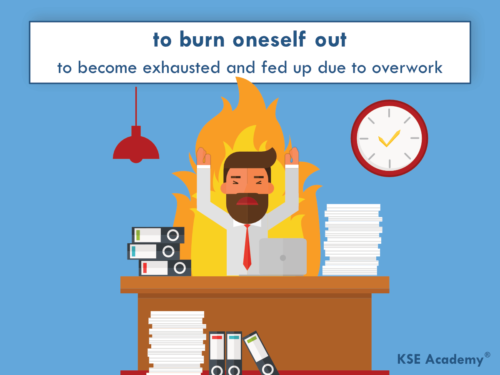
Phrasal verbs can be a real pain, we know. But they can also be beautiful and extremely useful, whether it be to pass the Use