
Grammar content
Logical connectors in English
Key points to remember Logical connectors in English articulate your ideas and structure your discourse by expressing addition, contrast, cause, consequence or condition Each connector

About Break Into English
Break Into English is an online language academy specialising in one-to-one English lessons with native teachers. Our method is based on active conversation and personalised content tailored to your goals.
We believe the fastest way to real fluency is speaking from day one with a native teacher who adapts to you, not the other way around.
Our individual online English courses
All our online English courses are taught by native English speakers who have been internally trained to apply the Break Into English method.
Personalised lessons are delivered online and you can choose the video conferencing platform that suits you best: Zoom, Google Meet, Teams, etc.


Key points to remember Logical connectors in English articulate your ideas and structure your discourse by expressing addition, contrast, cause, consequence or condition Each connector

Key points to remember Time adverbs answer the question “when?” and can be precise (yesterday, tomorrow) or imprecise (recently, soon) They are generally placed at

Key points to remember: Must expresses a strong obligation in the present or near future; shall appears in formal and legal contexts Have to offers

Key points to remember Used to describes a past habit or state that no longer exists today Be used to expresses a current habit that
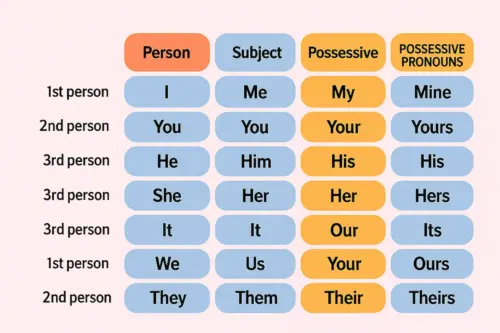
If you’re learning English, you’ve probably come across possessive adjectives and possessive pronouns without really knowing when to use them. That’s completely normal, it’s one
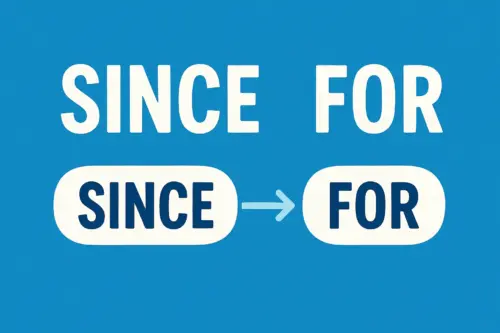
Key takeaways: Since indicates a starting point in the past with the present perfect (I’ve worked since 2010) For indicates a duration or period of
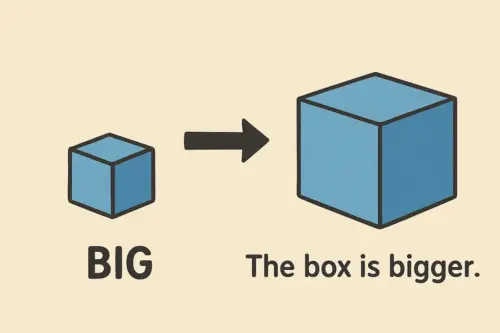
In brief Superiority: short adjective + -er + than / more + long adjective + than Inferiority: less + adjective + than / not as
Regular Plurals (+ s) Most nouns in English follow a simple pattern to form the plural. If you want to learn more common nouns, check